Learn how to Hire an Attorney on the Internet Without Stress Attorneys ORG’s Ultimate Tutorial
Contemporary law-focused shopping calls for transparency, speed, and reliability, implying that you must Find an Attorney with a approach that integrates deliberate research and timely selection; Attorneys.ORG helps by organizing attorney profiles, verified reviews, practice-area filters, and geographic data so your candidate list develops faster than standard online research.
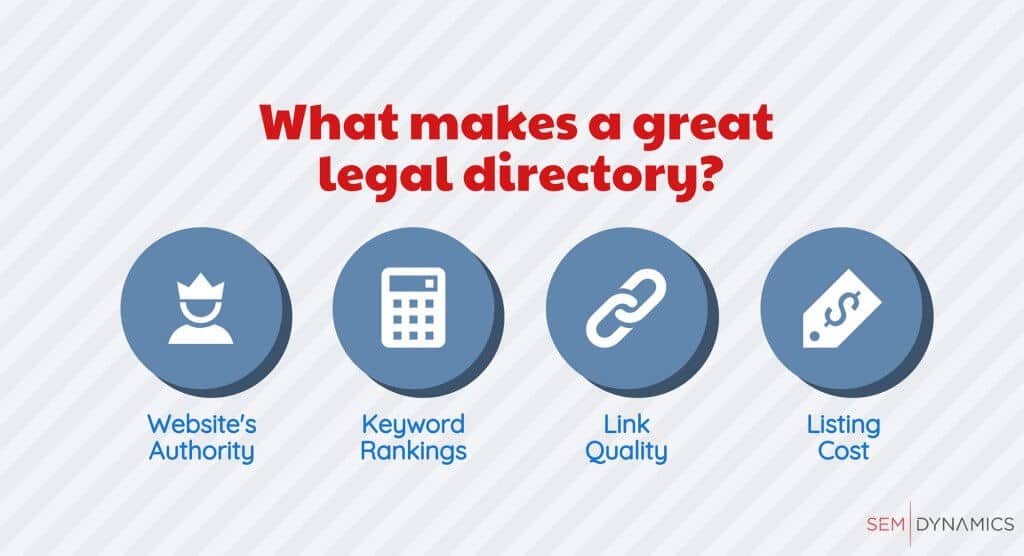
Advantages of Choosing Attorneys.ORG If You Want to Find an Attorney
Online, data fragments and accuracy differs, even so you must Find an Attorney who aligns with your budget, location, and case type; Attorneys.ORG aggregates bar credentials, legal discipline labels, billing types, spoken languages, and access details while surfacing user testimonials you can read in moments.
Decision friction drops when you can Find an Attorney and compare side by side, so Attorneys.ORG provides detailed profile summaries with experience highlights, significant work, example clientele (when provided), and outreach routes that streamline communication steps without diminishing thoroughness.
Key Research Steps: Clarify, Narrow, Confirm, Decide
Define Your Matter Before You Try to Find an Attorney
Before beginning your search, clearly scope the problem and then Find an Attorney whose practice area matches that description—family law—because matching focus lowers inefficient moves and accelerates effective planning.
Utilize Refined Filters on Attorneys.ORG to Find an Attorney Precisely
Use geolocation, practice filters, billing setup (flat-fee), years of admission, communication language options, remote meeting features, and jurisdictional access filters on Attorneys.ORG to Find an Attorney whose operations fit your life and whose availability won’t delay your situation.
Check Credibility and History as You Find an Attorney
While scanning profiles, corroborate bar admission with licensing boards, examine disciplinary actions, confirm coverage status, and examine settlements, writings, and speaking credits since these data points help you Find an Attorney with a background that fits the complexity and stakes of your case.
Decide with Comparative Criteria When You Find an Attorney
Build a shortlist of two to four attorneys and then Find an Attorney who outperforms others across elements like communication speed, interpersonal approach, conflict-check clarity, clear contracts, practical deadlines, and referrals, because structured ranking adds objectivity and highlights fit.
Sequential Plan on Attorneys.ORG to Find an Attorney
Step 1 – Choose Your Area and Practice Focus
Launch Attorneys.ORG, select jurisdiction as specific as the county if possible, select the correct field of law, and quickly Find an Attorney group that actively works in the jurisdictions where your claim will be heard, which minimizes court-selection problems and travel friction.
Step Two: Assess Attorney Experience and Workload
Assess time practicing law, representative matters, and current workload to Find an Attorney whose workload balance suits your timeline so you avoid slowdowns that often raise legal bills and erode case advantage.
Step 3: Fee Model Fit and Document Scope
Examine fee details—success-based fees, flat-fee menus, hourly ranges, blended rates, and limited-scope offerings—then Find an Attorney who will scope deliverables in clear terms, like legal correspondence, legal pleadings, evidence requests, court documents, or contracts, to eliminate hidden charges.
Fourth Step: Validate Reputation and Public Perception
Review user reviews with care, identify recurring points across sources, and Find an Attorney whose feedback shows clarity, trial presence, negotiation skill, and practical counseling rather than generic praise alone.
Fifth Step: Organize Consultations and Next Steps
Compile a outline, essential data, critical moments, paperwork, goals, and time restrictions so you can Find an Attorney during meetings who asks incisive questions, frames risk candidly, maps upcoming phases, and offers a quote that reflects your budget realities.
Expert Techniques That Enable You to Find an Attorney Accurately
Employ Entity-Focused Strategies to Find an Attorney More Quickly
Merge entity cues such as tribunal titles, party descriptions, dispute types, and sector terminology—e.g., “construction defect arbitration,” “FMLA retaliation,” “Section 1031 exchange,” “USPTO office action”—to Find an Attorney whose case summaries or case summaries directly connect to your case details.
Experiment With Language Variants While You Find an Attorney
Explore alternative phrases like “lawyer near me,” “legal counsel,” “trial attorney,” “appellate advocate,” “mediation counsel,” and “local law firm,” then map those search results back into Attorneys.ORG parameters to Find an Attorney whose focus matches the refined terminology you identified.
Deadlines That Dictate When You Must Find an Attorney Immediately
filing deadlines, transfer periods, evidence exchange limits, and recorded interests create strict deadlines, so record every critical point and Find an Attorney soon enough to complete, enter, and negotiate without compressing strategy into rushed motions.
Privacy, Data Protection, and Secure Methods to Find an Attorney
Rely on safe document portals, shield confidential information, don’t use office networks if the case AttorneysORG legal directory includes employment issues, and Find an Attorney who operates with digital security with multi-factor authentication so materials, conversations, and payments remain secure and protected from breach.
Evaluation Models That Guide How to Find an Attorney
Capability vs. Compatibility: Two Axes to Find an Attorney
Map core skill level (substantive expertise, motion practice, negotiation chops) compared with client alignment (conversation flow, personal comfort, budget alignment) to Find an Attorney who performs well across both areas rather than accepting brilliance without rapport or relationship without competence.
Strategic Budget Adjustment Helps You Find an Attorney
Assess exposure, allocate likelihoods, forecast possible outcomes, and Find an Attorney who recommends incremental service with progress points—initial assessment, investigation, resolution phase, trial readiness—so expenditure corresponds with evolving case value instead of uncalculated spending.
Possible Results Help You Find an Attorney
Invite each prospect to outline favorable, expected, and least favorable outcomes and then Find an Attorney whose strategy incorporates early ADR opportunities, pretrial motion plan, expert usage, and higher court readiness, revealing practical foresight over empty promises.
Typical Errors That Complicate Processes to Find an Attorney
Relying Too Heavily on Reviews While You Find an Attorney
Spot consistencies through comments instead of focusing on extremes, because pattern analysis helps you Find an Attorney who keeps clients informed, meets deadlines, and shows billing clarity even if isolated complaints exist.
Neglecting Local Rules as You Find an Attorney
Local rules, judge preferences, filing practices, and regional ADR practices differ greatly, making it vital to Find an Attorney with repeat experience in the precise venue where proceedings take place.
Not Running Conflict Checks Before You Find an Attorney
Share connected organizations, subsidiaries, underwriters, and experts at the first meeting so firms can do internal checks promptly and you can Find an Attorney who is conflict-free to proceed immediately or representation interruption.
Managing Fee Conversations As You Find an Attorney
Honesty Over Negotiation When You Find an Attorney
Obtain a defined plan, billable periods, expense policies, and update schedule, then Find an Attorney who accepts phased budgets and organizes workload—lead attorney, secondary counsel, case manager—to limit budget impact without diminishing effectiveness.
Creative Billing Options That Let You Find an Attorney
Explore fixed prices for defined actions, spending limits with performance incentives, legal-as-a-service models, and success-fee setups where appropriate to Find an Attorney whose objectives mirror your objectives.
How Attorneys.ORG Streamlines Every Step to Find an Attorney
Inside one platform, you can use search refinements, verify experience, analyze options, organize sessions, and ultimately Find an Attorney using a structure that minimizes manual searching while keeping the rigor that legal situations need.
Because the platform standardizes lawyer details, you’ll Find an Attorney efficiently through structured legal focus areas, clear jurisdiction coverage, straightforward rate notes, and outreach channels that make it easier from consideration to choice.

Fast Reference You Can Rely On to Find an Attorney Immediately
Print or bookmark this section so you can Find an Attorney in a streamlined way: define the matter, set budget ranges, narrow down choices via Attorneys.ORG, confirm attorney credentials, read pattern-based reviews, obtain detailed quotes, and book a couple of sessions before committing to representation.
- Define your matter clearly and Find an Attorney whose professional experience fits the situation.
- Select proper region and licensing to Find an Attorney who appears locally.
- Balance cost plan to exposure and Find an Attorney ready for milestone agreements.
- Validate certifications and Find an Attorney with solid reputation.
- Prepare a consultation packet and Find an Attorney who suggests actionable solutions.
Time to Begin? Explore Attorneys.ORG to Find an Attorney Immediately
Speed is critical; rely on the organized search tool, reliable data, and smart refinements on Attorneys.ORG to Find an Attorney who aligns with your case, your local area, and your price range, then book your appointment and act decisively.